Education

Educational courses at the National Institute for Defense Studies
NIDS offers two educational courses — the Strategic Studies Course and the Strategic Studies Executive Course — which are conducted annually for senior Self-Defense Forces officers and senior administrative officers of the Ministry of Defense (MOD). These courses emphasize key abilities to organize, analyze, and structure strategic issues; to formulate and test theories and creatively present strategies; and to communicate and implement persuasive strategies. Over the years, these courses have produced many security strategists.

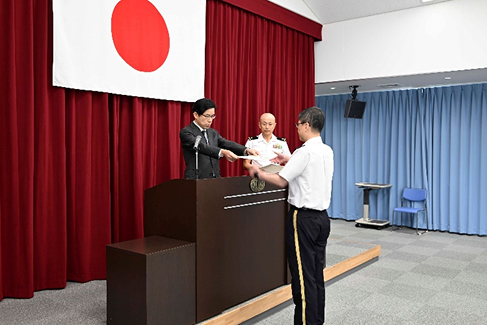
Plaque displaying program graduates
Note: Starting with the courses in FY2024, to further enhance strategic focus in the curriculum, NIDS has renamed and restructured the previous Regular Course to become the Strategic Studies Course, and the Special Course to become the Strategic Studies Executive Course.
【Overview of both courses】
| Name of educational course | Period | Participants |
|---|---|---|
| Strategic Studies Course | 10 months |
【Internal personnel】 Senior SDF officers (colonel/captain level), administrative officers, etc. (assistant director level in internal bureaus of the MOD) 【External personnel】 Staff of national administrative organs, local government employees, employees of private companies, international students from foreign countries (including military officers of colonel/captain and lieutenant colonel/commander rank), etc. |
| Strategic Studies Executive Course | About 3 weeks |
【Internal personnel】 Senior SDF officers (major general/rear admiral or colonel/captain level), administrative officers, etc. (director level in internal bureaus of the MOD) 【External personnel】 Staff of national administrative organs, local government employees, employees of private companies, etc. |
Strategic Studies Course
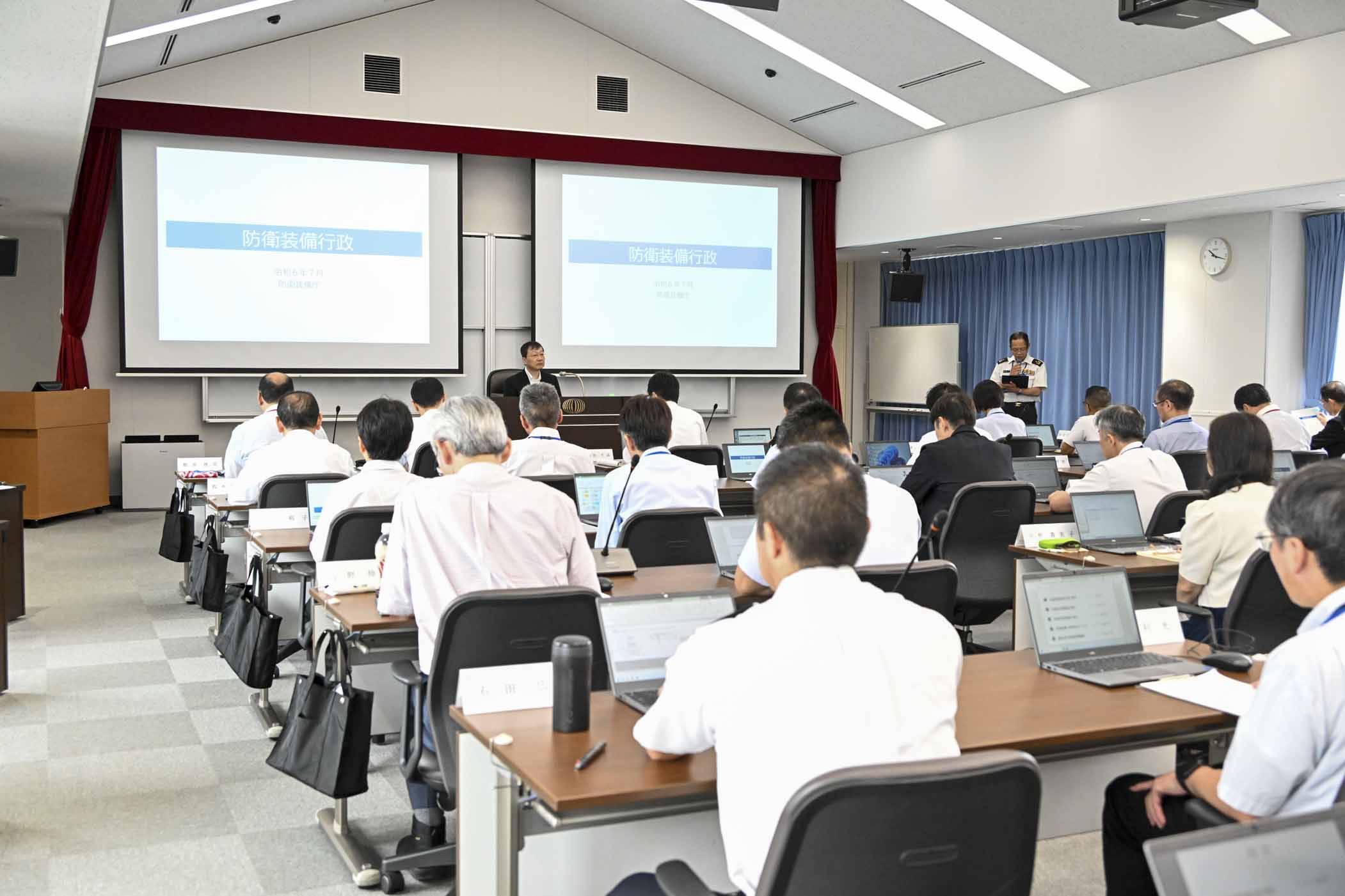
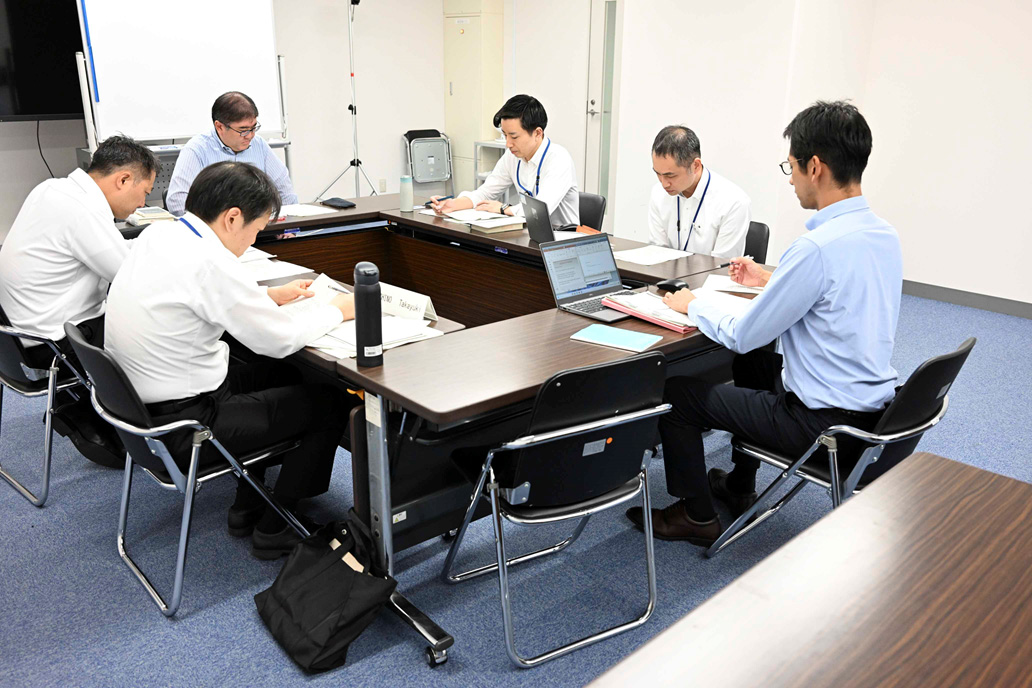
The Strategic Studies Course is a 10-month course held annually from September to June. It is designed to provide comprehensive, overall knowledge on security matters and to enhance strategic skills based on this knowledge.
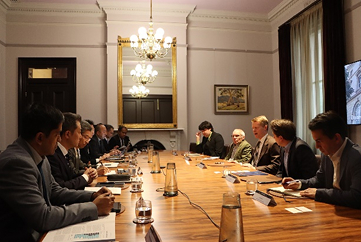
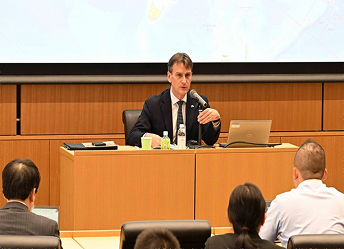
In the course, both internal and external experts give lectures related to security theories and strategies, including on topics such as space, cyber, and electromagnetic domain security, as well as economic security. Participants gain knowledge through about 20 academic courses (about 150 lectures) covering international affairs, military history, and more, and further deepen this knowledge through about 30 seminars focused on specific themes.
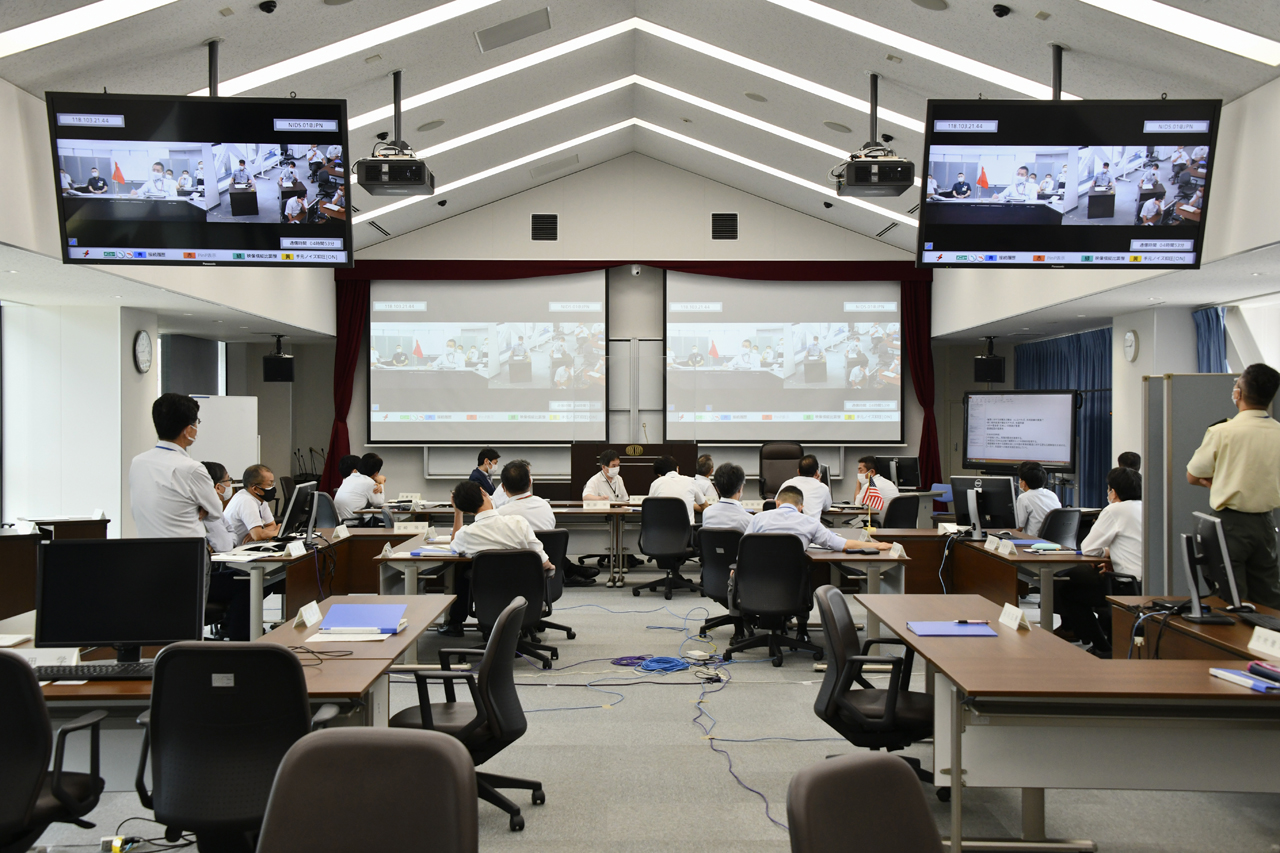
Alongside these lectures and seminars, the course also includes policy simulations involving strategic exercises under certain conditions as well as paper-writing assignments to enable participants to put into practice the knowledge they have attained. This helps reinforce the knowledge they have gained while enhancing their strategic planning and execution abilities.
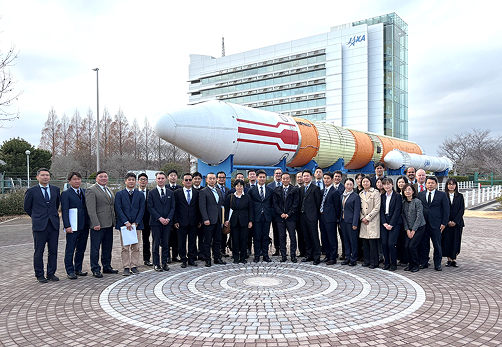
In addition, the course includes domestic and international onsite training, special lectures by prominent figures from various fields, and opportunities for listening to the views of Diet members from different political parties on security policies directly.
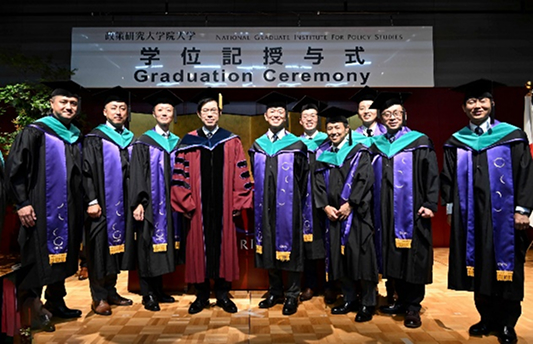
Furthermore, the Strategic Studies Program (SSP) has been established, which confers a Master’s degree (Policy Studies) upon completing this program and fulfilling certain credit requirements at the National Graduate Institute for Policy Studies (GRIPS). To date, more than 70 participants have been awarded this degree.
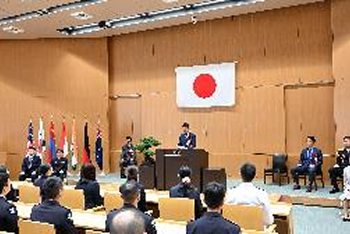
the second Strategic
Studies Course

Strategic Studies Executive Course
The Strategic Studies Executive Course is a course conducted annually in July over a period of about three weeks. It aims to provide in-depth knowledge on security, centered on current policy issues, and to enhance strategic capabilities based on this knowledge.
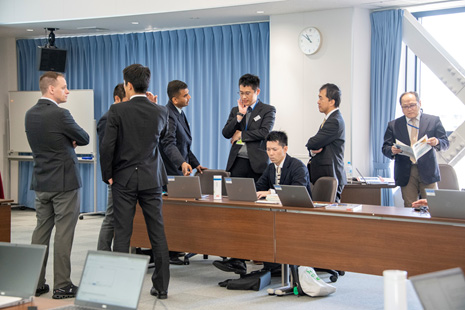
In the course, under the training theme determined based on the latest policy issues, both internal and external experts give lectures related to security theories and strategies, including on topics such as space, cyber, and electromagnetic domain security, as well as economic security. Participants gain knowledge through about 10 academic courses (about 20 lectures) covering international affairs, military history, and more.
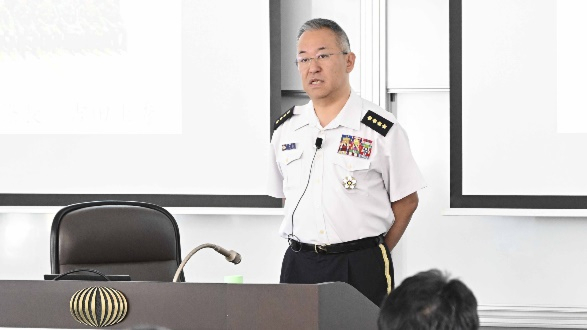
Alongside these lectures, the course also includes small and full-group discussions, policy simulations, and other activities based on the knowledge acquired, aimed at reinforcing this knowledge and sharpening skills in strategy formulation and execution. Special lectures are also provided by the Administrative Vice-Minister of Defense; the Chief of Staff of the Joint Staff, the Commissioner of the Acquisition, Technology & Logistics Agency; and others.